
Our history
A groundbreaking journey
Tyne and Wear was the first place in Britain to fully integrate its public transport, and the Metro, which opened in 1980, was Britain’s first light rapid rail transit system.
Rail innovation in the region goes back over 200 years. North East England’s railway pioneers built the first steam locomotives and created the world’s first passenger railways. And our ferry service dates back even further, to medieval times and probably earlier.
Over time, changes in the planning, supply and financing of Britain’s road-based public transport have brought challenges and the extent of bus-rail integration has reduced. But we see every challenge as a signal for change.
Today, right across the region, we have projects to expand and connect our networks to help more people do more, while relying less on cars.
Our transport timeline
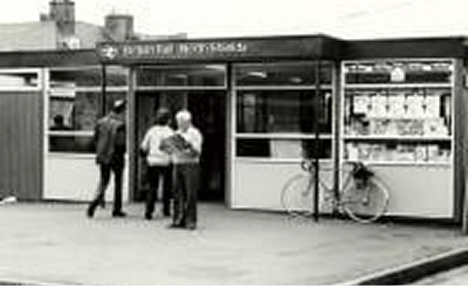
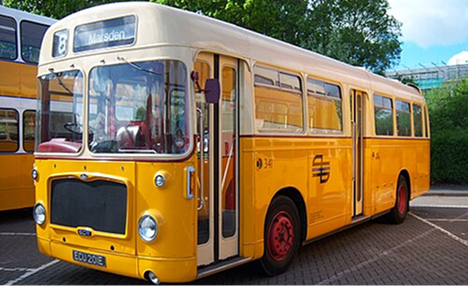
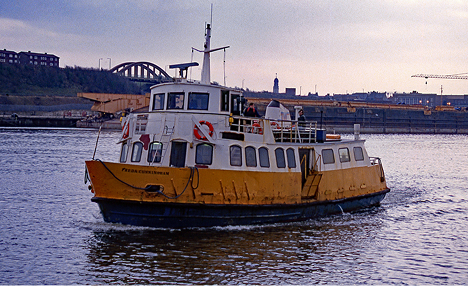
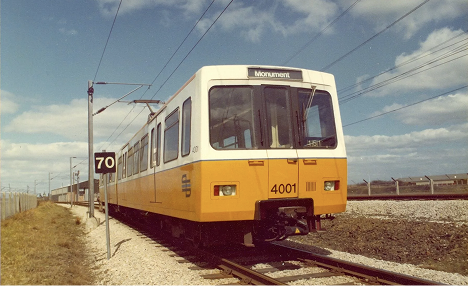
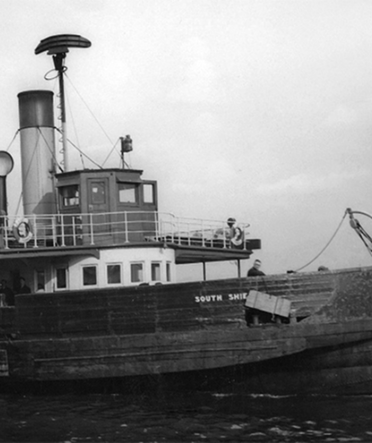
Crossing the Tyne since the 14th century
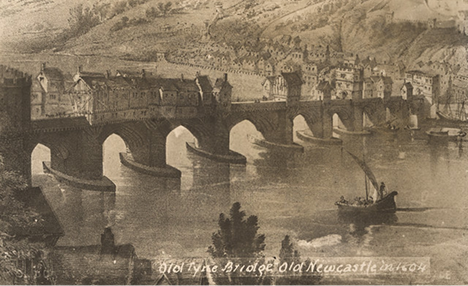
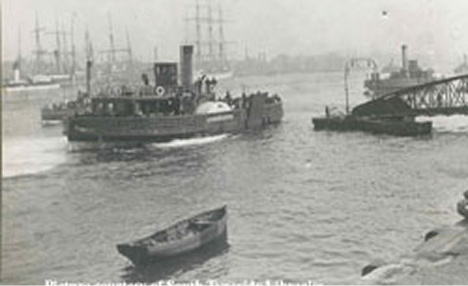
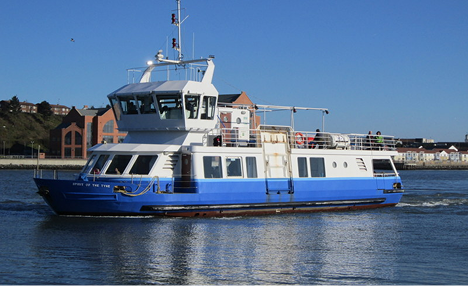
Historical documents indicate that there was a ferry service operating between North and South Shields in 1377. By 1816 a steam packet made the crossing quick and reliable, and in 1828 The North Shields Ferry Company obtained a charter to operate the ferry service that exists today.
In 1863 the Tyne Improvement Commission bought The North Shields Ferry Company, and built 13 new ferries.
By the first half of the 20th century, the boats were serving car drivers as well as foot passengers. In the mid-1960s, the three ferry boats then in operation transported about 400,000 cars each year alongside countless pedestrians. These numbers fell hugely in 1967 when the Tyne Tunnel opened, and today’s Shields Ferries no longer carry cars.
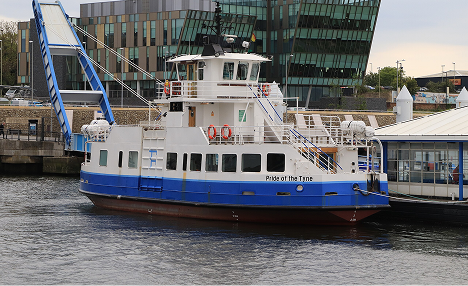
In 1972, we took over the running of the service then known as the Market Place Ferry, now renamed the Shields Ferry and the only service still in operation today. The first boat built to our order was the Freda Cunningham in 1972, followed by the Shieldsman in 1976. Our current ferries, the Pride of the Tyne and Spirit of the Tyne, were built in 1993 and 2007 respectively.
Rail revolutionaries
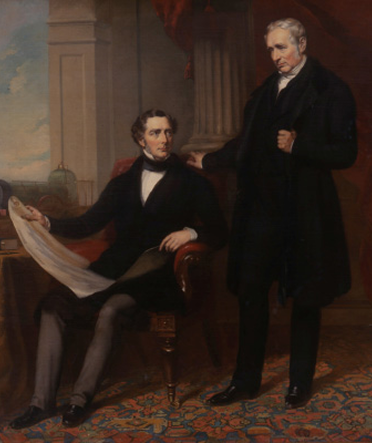
Tyne and Wear owes its place in rail history to the inventive genius of engineers like George and Robert Stephenson, who developed the earliest steam locomotives to carry coal from Northumberland and Durham. The world’s oldest surviving railway viaduct and embankment remain at Causey Arch and Beckley Burn as proud reminders of this time.
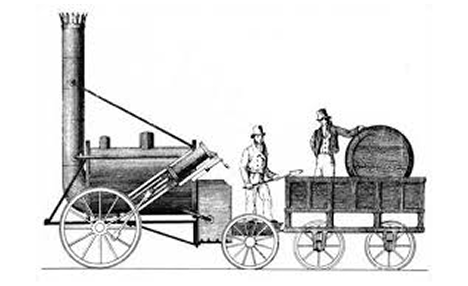
George Stephenson built his first engine, ‘Blucher’, in 1814 when he was an enginewright at Killingworth Colliery. He and his son, Robert, went on to apply new technology to the construction of passenger railways, and their workshops at Killingworth (1804-1826) are now the site of the Stephenson Steam Railway museum. In 1823 they established the world’s first locomotive construction company in Forth Street, Newcastle, and two years later opened the first passenger system in the world—the Stockton and Darlington Railway—with their engine ‘Locomotion’. It was in Forth Street that they built their most famous locomotive, ‘Rocket’, which set new standards of speed and efficiency, winning the Rainhill Trials in 1829 and inaugurating the Liverpool and Manchester Railway, the world’s first intercity link, in 1830.
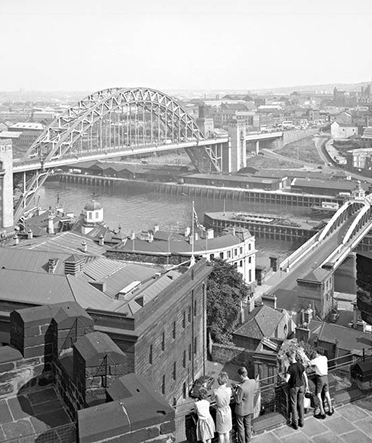
During the 1830s rail development advanced on Tyneside, and the Newcastle and North Shields Railway—the world’s first suburban passenger rail service—was established in 1839. The route, together with other sections of the early rail system, now forms part of the Metro network.
By the end of the 19th century, the region boasted a broad network of suburban railways, largely owned by the North Eastern Railway Company. In 1904 the busiest section, from Newcastle to Tynemouth, became one of the first outside London to be electrified. This line was extended in 1908 to form the North Tyne Loop, and by 1937 electrification had crossed the Tyne to South Shields.
Traffic growth and transport planning
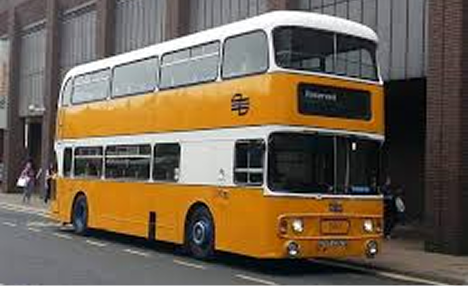
Until the late 1950s, public transport in Tyne and Wear was a blend of suburban rail services, trams, trolley buses and motor buses, and the Shields Ferry. Then, like in the rest of the UK, electric urban transport was phased out in favour of diesel buses, and in 1967 diesel replaced electricity on the suburban rail network too.
As car ownership and road traffic grew rapidly, the focus of national investment switched from railways to highways. But increasing congestion in towns and cities made people realise the importance of a sensible balance between car travel and an improved public transport system.
To address this, the government passed the Transport Act 1968, which set up Passenger Transport Authorities and Executives in major urban areas. These Authorities (PTAs), were composed of elected local government members and were tasked with delivering properly integrated public transport systems. The Executives, made up of professional and technical staff, were tasked with implementing PTA policies to ensure the systems operated efficiently.
Tyne and Wear PTA and PTE were formed in 1969, when local authority staff and consultants were conducting a major study on land use and transportation planning in the area, with the aim of developing a balanced investment programme for roads and public transport.
The team found that the best option to improve public transport locally was to convert the suburban British Rail network into a rapid transit system that reached into the central area, restructuring the bus network to complement this, and encouraging car commuters to transfer to rapid transit for peak-time trips. Together, this eased the growth of peak traffic flows across the highly congested cross-Tyne road links.
The arrival of Metro
Following the recommendation of the study, the Tyne and Wear PTA began to explore the idea of a rail rapid transit system. Analysis showed that converting the local rail network was both technically feasible and financially viable, and in December 1972 the Government agreed a 75% infrastructure grant towards the capital costs of the system.
So in 1973, less than four years after it was founded, the PTE found itself responsible for developing what was the largest urban transportation project in the UK.
The first civil engineering contracts were awarded in 1974, for constructing tunnels under central Newcastle and Gateshead. Public utilities were diverted, and measures taken to avoid damaging Newcastle’s beautiful architectural heritage.
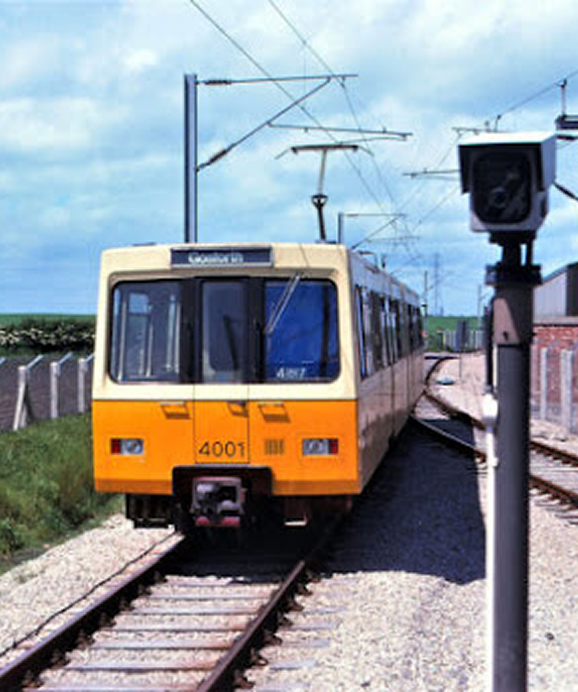
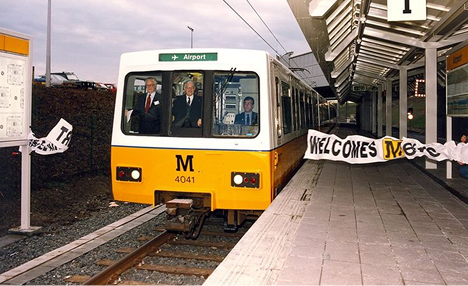
In 1975 two prototype train carriages, numbered 4001 and 4002, began trials at a purpose built Metro test centre in North Tyneside, which included 2.4km of track, a tunnel section, car shed and control room. Both cars went on to remain in service for over 40 years.
The construction programme hit several delays , partly because of differences between the PTE, British Rail, and the railway unions about who should own and operate the system, and partly because of the financial crisis of 1976, when the Government imposed a freeze on major capital projects in the public sector. By 1977 these problems had been resolved, and Tyne and Wear County Council agreed to commit almost all of its capital investment in transport to the project to complete it.
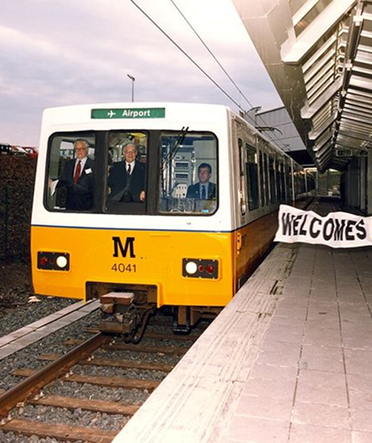
The first section of the Metro route opened for service in August 1980, with further extensions around Tyneside and to Sunderland added later. It saw over 60 million passenger boardings in its first full year of operation.
Integration and deregulation
Just as the region’s plans for a fully integrated public transport network were coming together, two political developments almost derailed them. These were the deregulation of local bus services in 1985, and the reorganisation of local government in 1986, which included the abolition of metropolitan county councils such as Tyne and Wear and the restructuring of transport authorities.
October 1986 – bus deregulation and radical changes:
- Road service licences were scrapped, so any bus operator (subject to safety standards and restraints on traffic congestion) was free to run a bus service on a commercial basis whenever and wherever it chose, and to set its own fares.
- Publicly-owned bus operators were transformed into private companies, working on the same commercial basis as other operators.
- Local authorities were allowed to intervene only to secure those areas of supply that the market would not provide, and they had to do so through competitive tendering. Their powers to subsidise public transport were limited to specific services not supplied commercially, and concessionary travel facilities for particular groups of people.
The change did not affect the status of Metro or other suburban rail services, but it meant that the PTA and its Executive now had a different set of responsibilities.
Since deregulation, we’ve been tasked with formulating policies, in liaison with commercial bus operators and local authorities:
- The supply of bus services regarded as necessary on social grounds but not provided by the private sector. These are called ‘secured’ bus services.
- Concessionary travel and special needs transport.
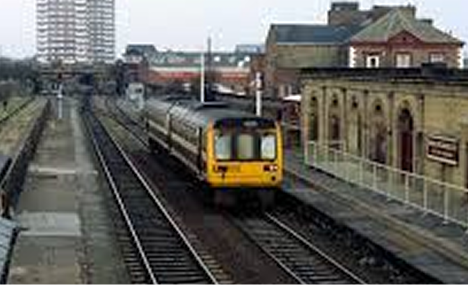
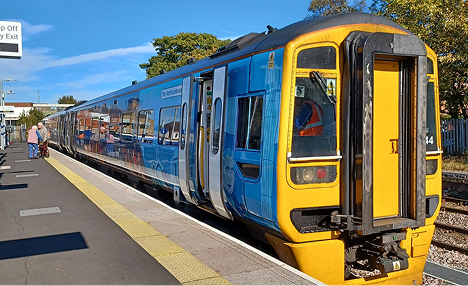
- Financial support for the British Rail Newcastle-Sunderland line, Metro and the Shields Ferry.
- The general promotion of public transport.
Today, we secure three main categories of bus service:
- Services maintaining essential all-day public transport links that are simply uneconomic for commercial operators to provide, for example in small communities and areas of high unemployment.
- Services catering for early morning journey-to-work trips and evening social travel.
- Services providing additional buses to ensure adequate capacity and comfort on lower-frequency commercial routes.
Where we are today
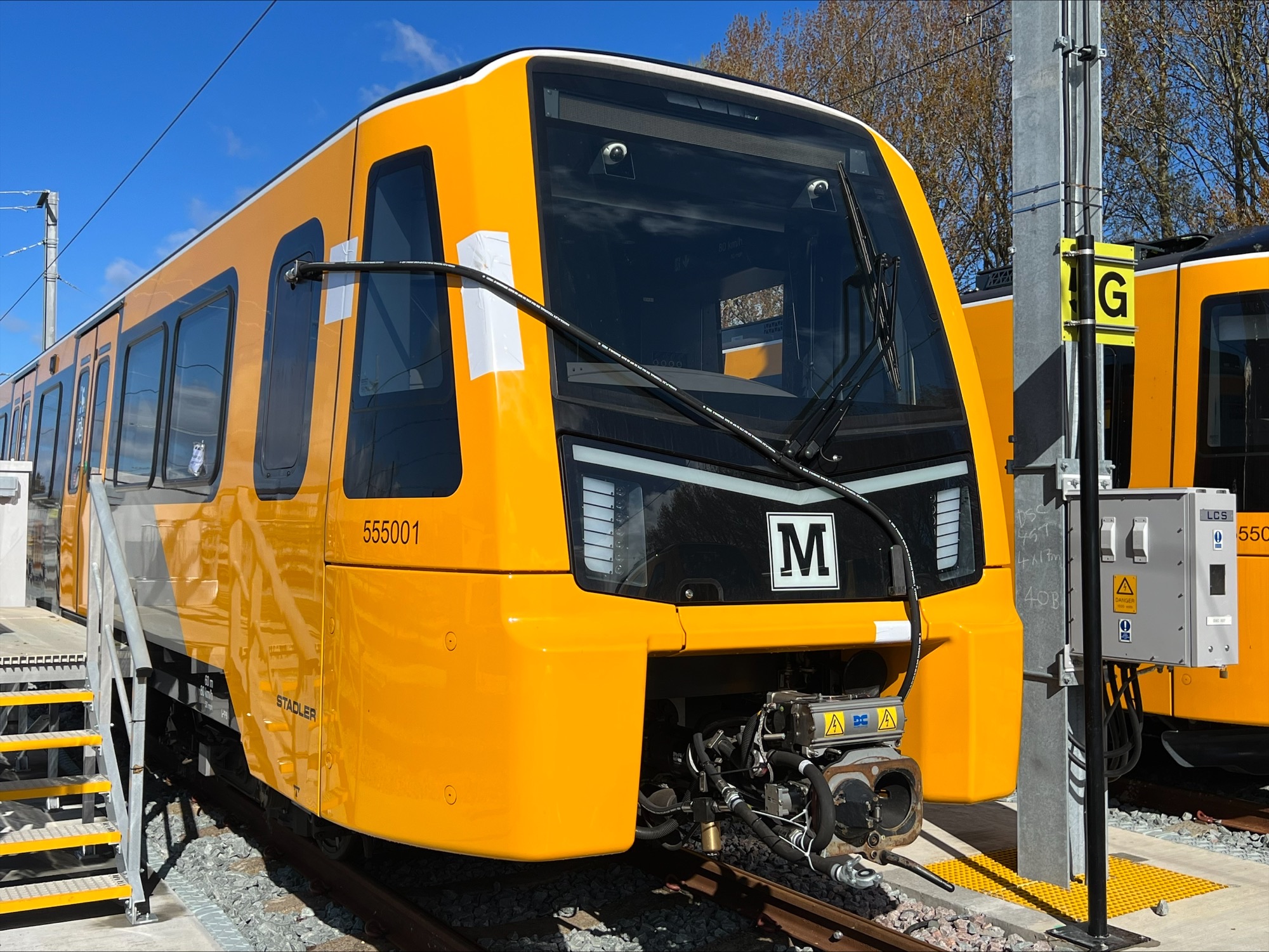
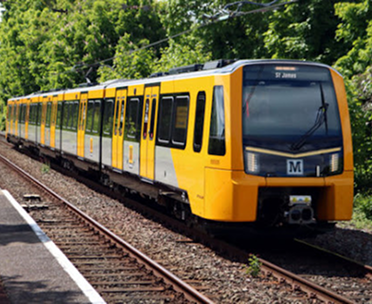
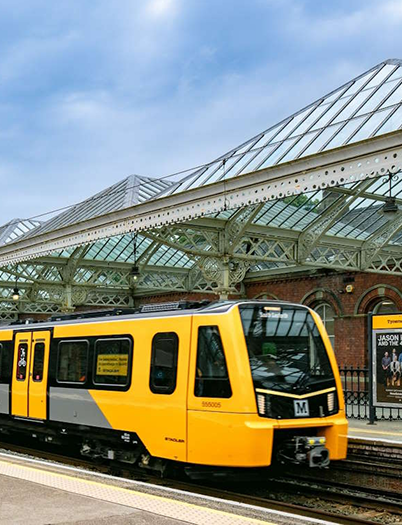
Building on this legacy of innovation, we have exciting projects underway as part of our mission to make public transport great for our environment, economy and communities. These include the full introduction of our new Metro fleet and extending Metro to Washington, reforming the region’s bus services, and relocating the North Shields Ferry landing.