Tyne and Wear Metro
Serving the region for nearly 50 years
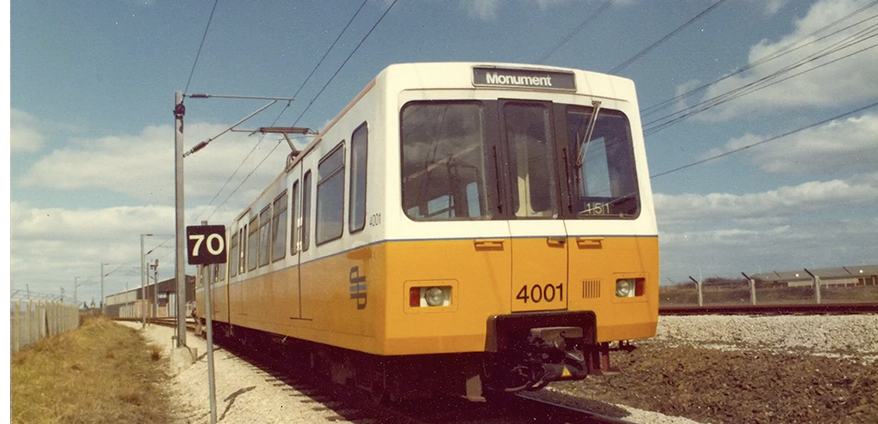
Since 1980, we’ve helped the people of Tyne and Wear get to where they need to be. We’re still delivering on big projects, major improvements and new routes, with excellent customer service and a safety first approach.
Planning a Metro journey?
For more information about Metro, including timetables and ticket prices, visit the Travel North East website
Transforming the Metro network
Key Metro projects
We are working on a range of projects to transform Metro, increase its reliability and provide the best service possible for decades to come.
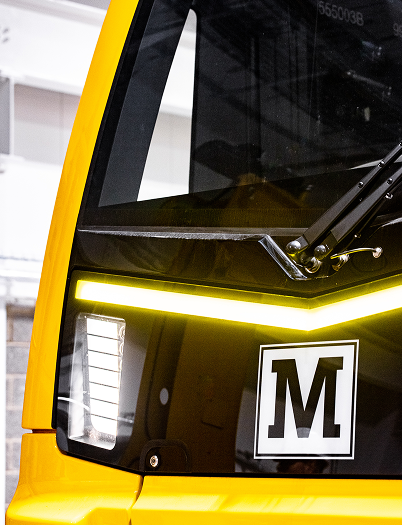
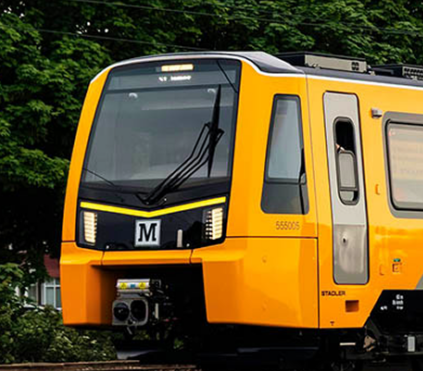
Delivering 46 new Tyne and Wear Metro trains has been the biggest project in our history. In a £362m programme, we've replaced our entire old fleet, and built a new depot.
Our new trains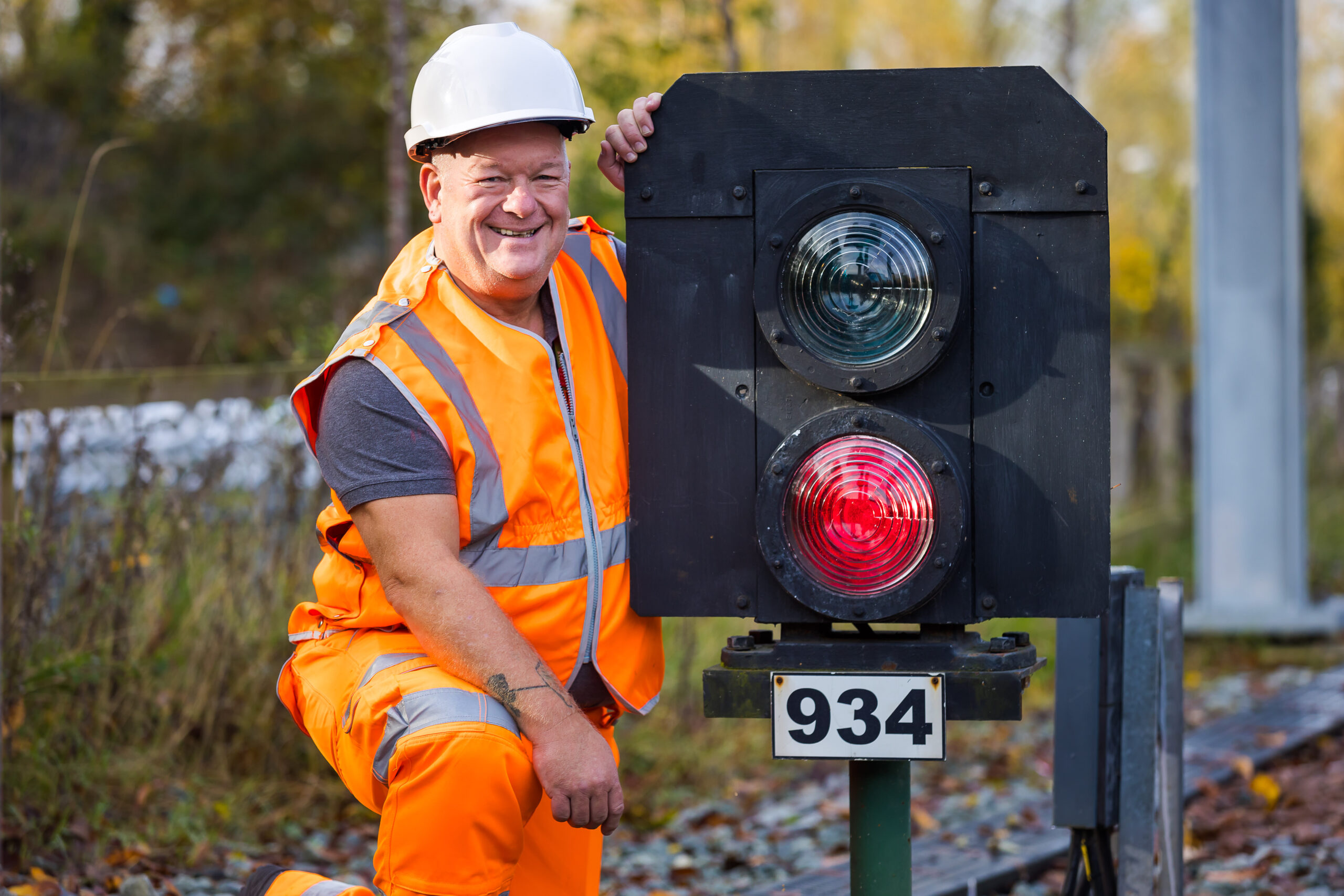
Signalling is a safety and service critical asset on Tyne and Wear Metro. We've got funding for a new system that will improve journey times, reliability and safety.
New Metro signalling system
Extending the Metro system to Washington to help deliver a transformed, integrated transport network across the region.
Metro to WashingtonPublic transport is for everyone
Accessibility and safety
Supporting customers to use Metro, and making sure they're safe when they do, is our top priority.
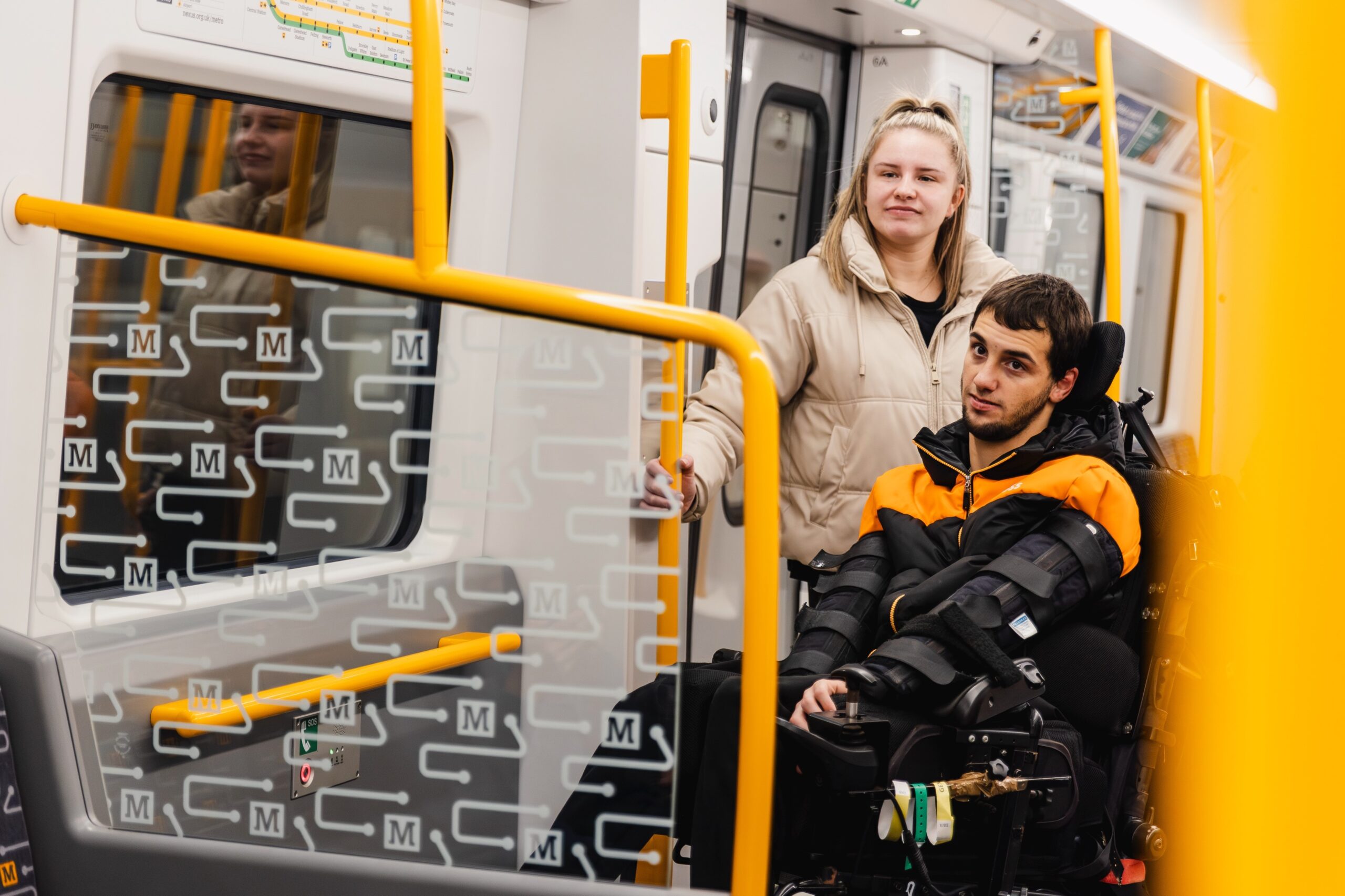
We are committed to making travel easier and more inclusive. All our stations are accessible, we're officially Autism Friendly and our teams can help you when you travel if you need it.
Looking after our customers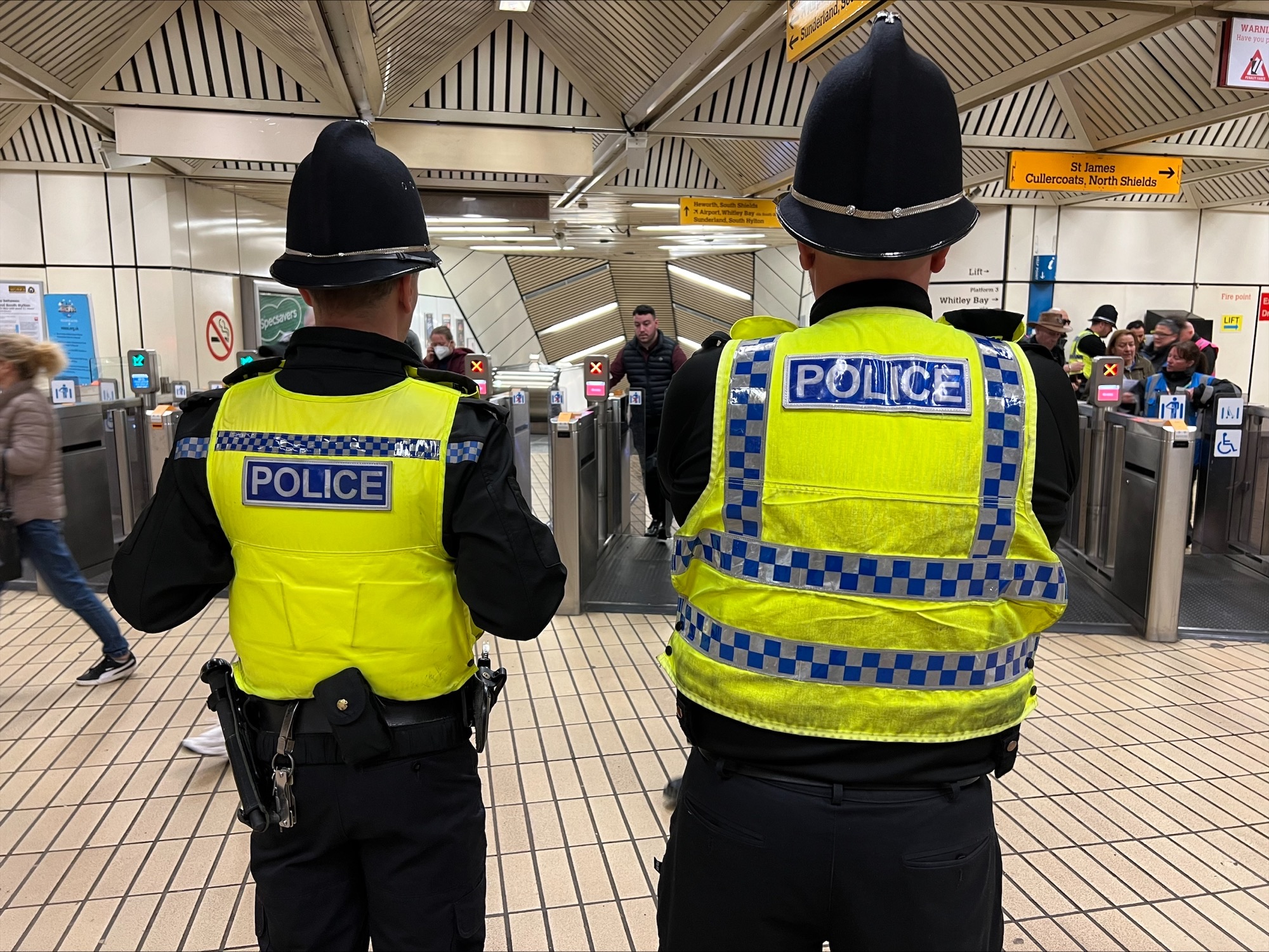
Tyne and Wear Metro gets millions of people to where they need to be, safely, every year. We have teams in stations, on trains and in our Control Room making sure our customers stay safe.
We're looking out for you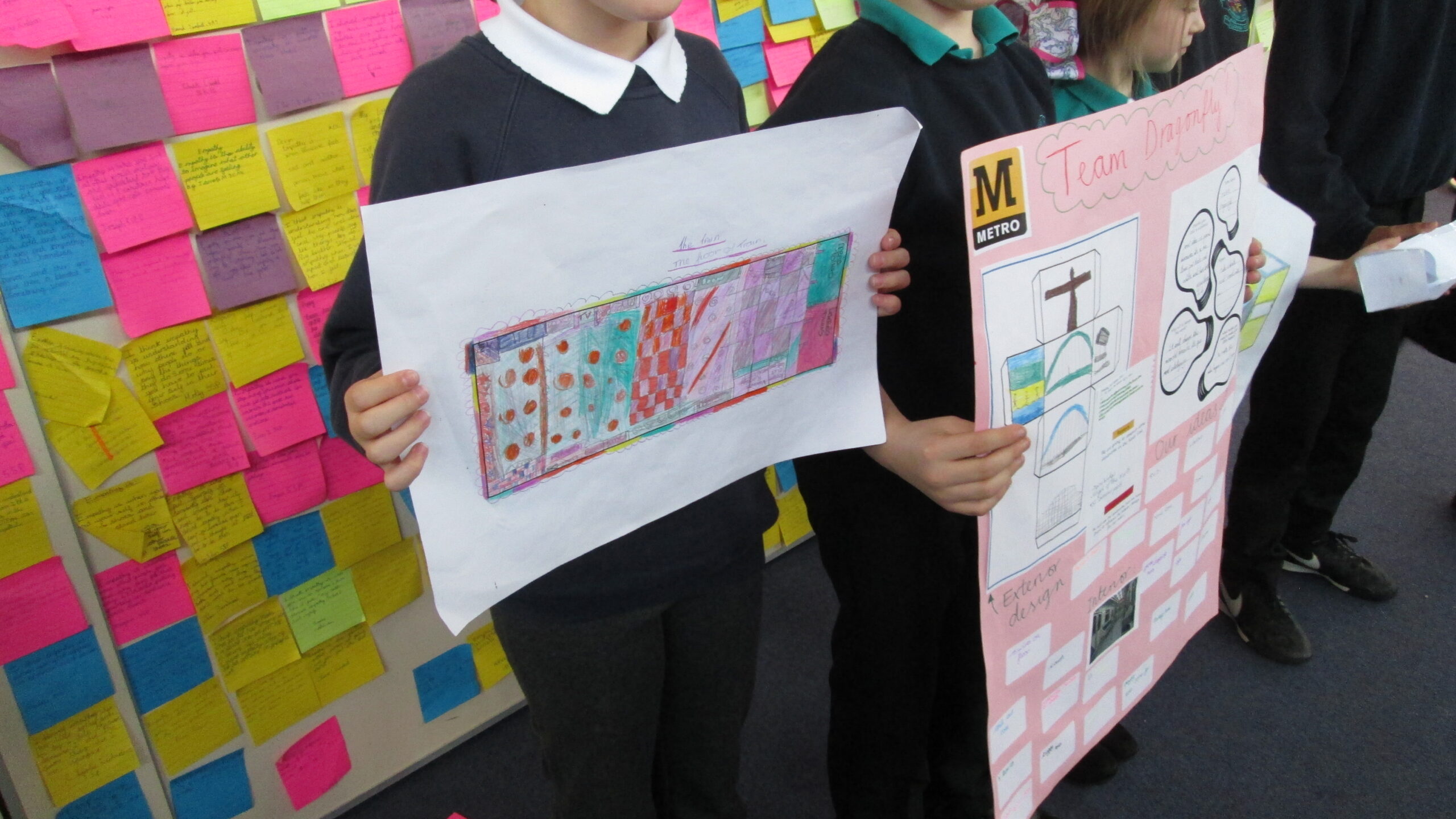
We're committed to educating young people about public transport and safety issues. We work with schools and community groups to help reduce anti-social behaviour and promote safe travel.
Young people and public transportKeeping Metro moving
Behind the scenes, during the night, and in all weathers, our teams work hard to keep Metro moving.
Leaf fall disruption
Leaf fall on train tracks in the autumn can cause low rail adhesion, which can result in operational issue and delays.
Read more about leaf fall disruption
Nightworks
To keep Metro running smoothly we often have to do work on the railway lines during the night.
Find out about nightworks where you live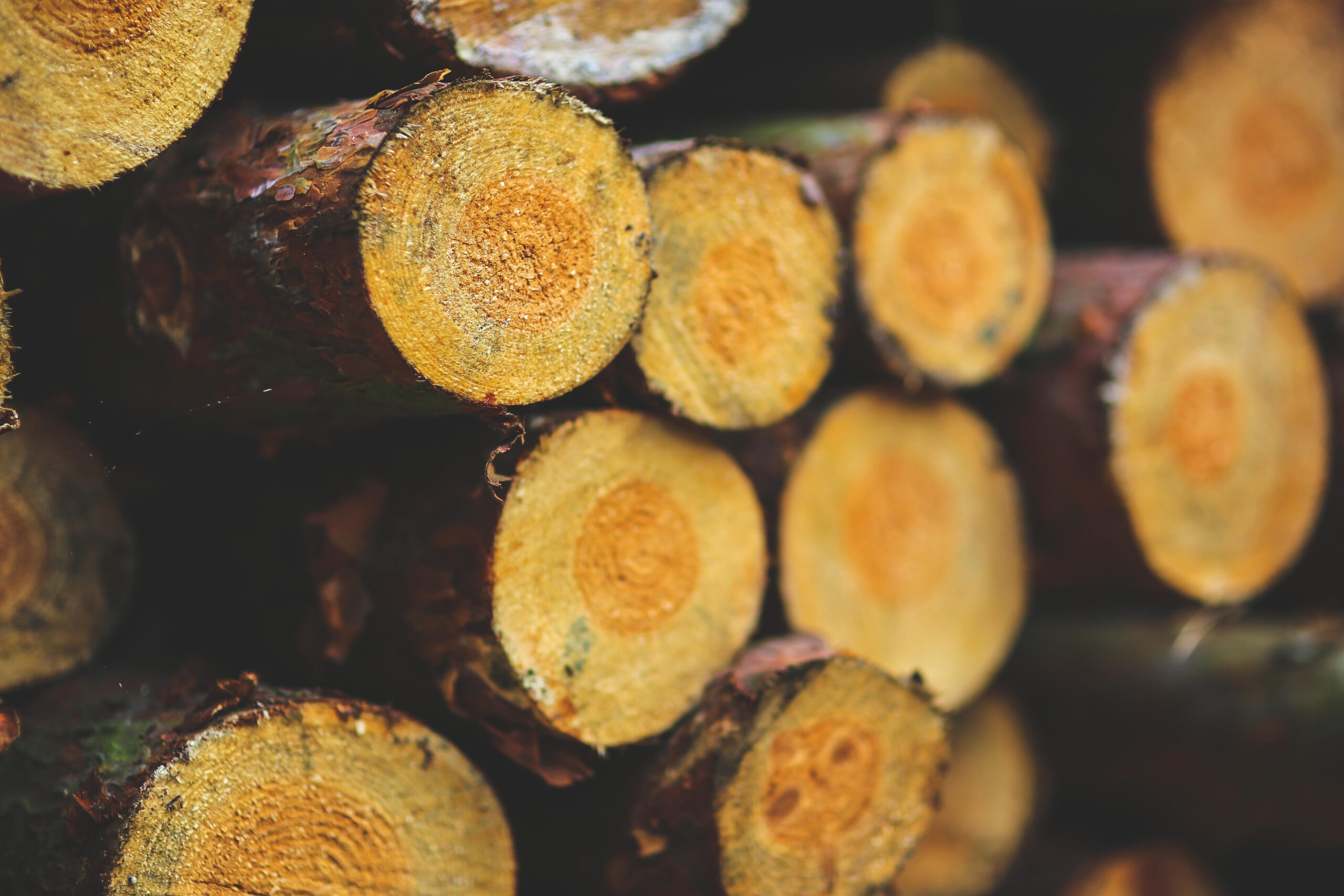
Vegetation management
We own 120km of lineside estate, managing vegetation for safety and environmental compliance.
Read more about how we manage vegetation hereCreative spaces in public places
Sharing art, music and poetry with customers
Busking
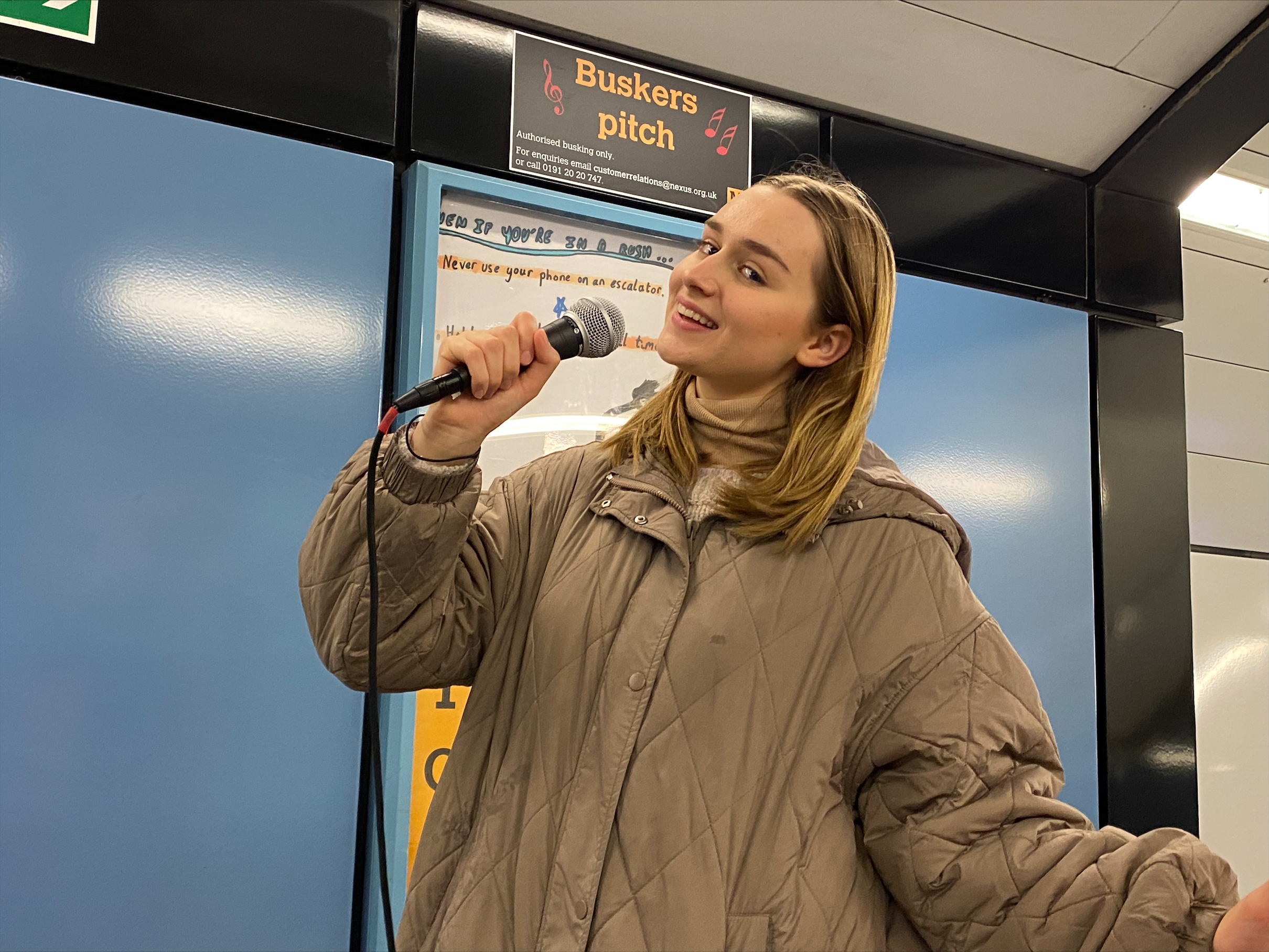
We've got busking sites at six Metro stations. Book your pitch now.
Read more about busking on Metro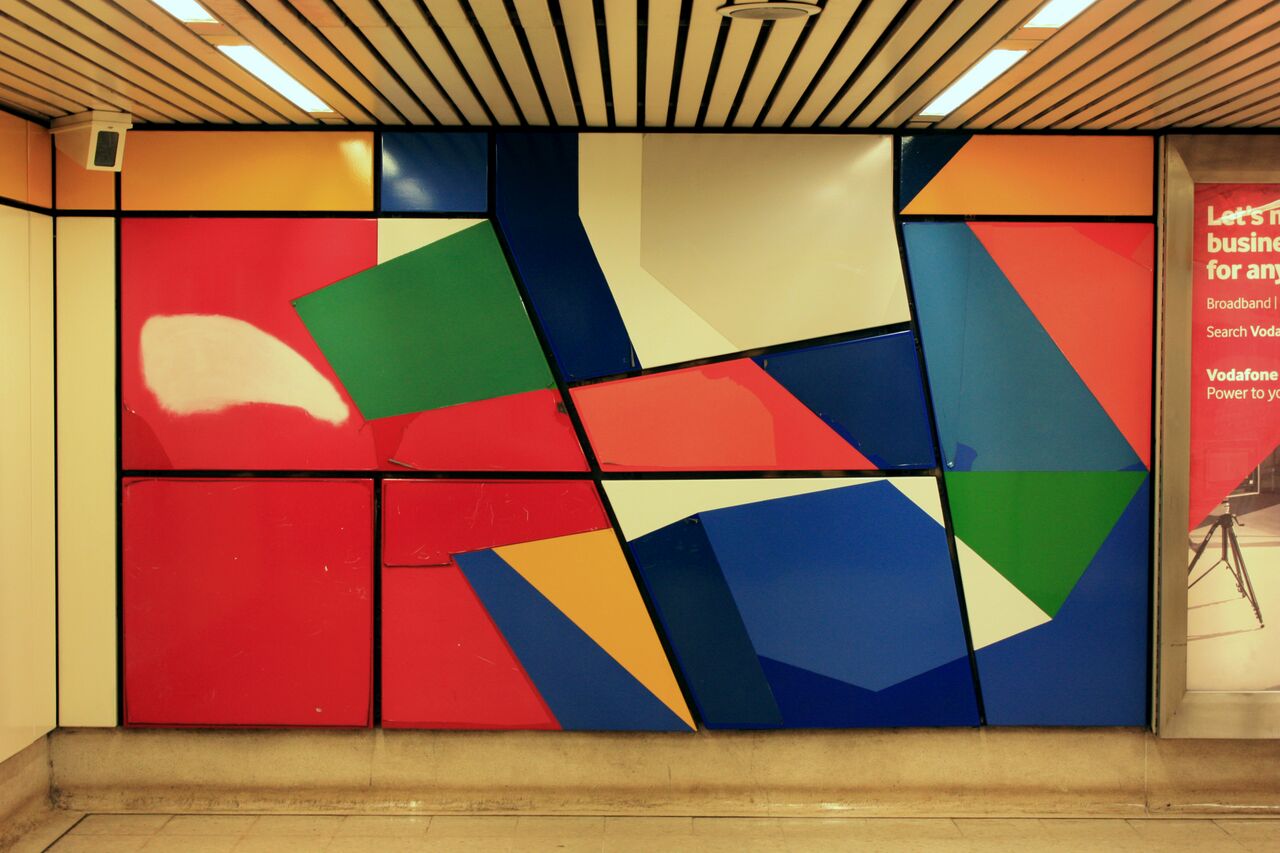
Art on Metro
There are more than 30 pieces of permanent art on Metro and public transport infrastructure in Tyne and Wear
Find out more about art on Metro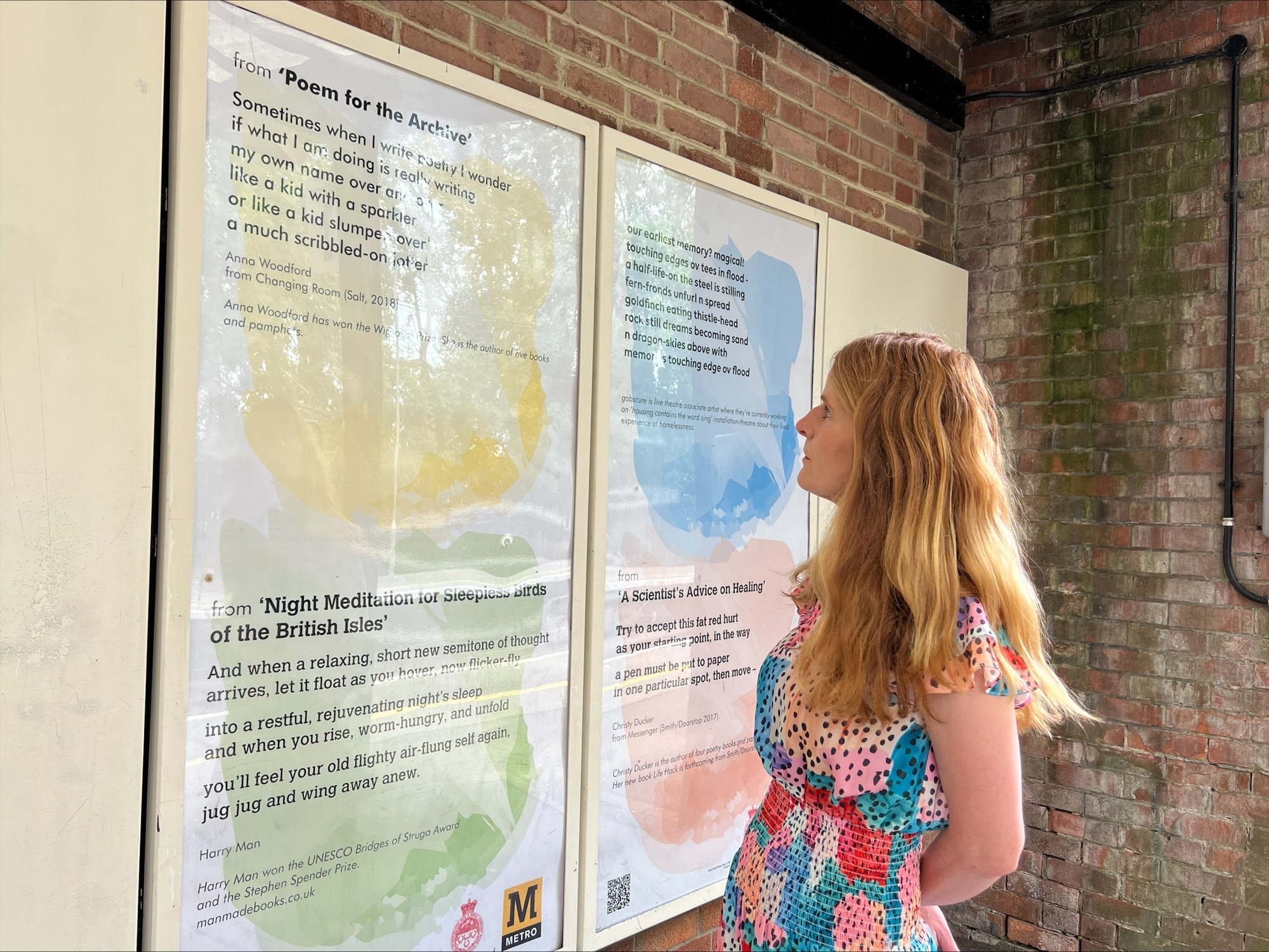
Poetry on Metro
Longbenton Metro station is the home of poetry on Metro, with poems on display for over a million customers.
Read more about poetry on MetroEveryone's welcome
Our Kids Go Free price promise means up to three kids aged 11 and under can travel for free on Metro, all day, every day, when accompanied by a fare-paying adult.
The history of Metro
11 August 1980 was a warm summer’s day made memorable when the Metro network first opened to customers.
Since then it has become a part of everyday life for millions of people.
Tunnels buried under streets, bridges and viaducts built, stations designed and tracks laid – an monumental engineering achievement for the biggest urban transport project of the 20th century.